
Sunday, September 23, 2007
Saturday, September 22, 2007
Life in the US Navy
I spent four years in the Navy, 1989-1993, and this is a good example of the goofiness that goes on. What I experienced was more like this video. It's really a lot different than the "Top Gun" stereotype. It was a hard four years, but on the other hand, it may have been the funnest time of my life.
Red Mask in the Mailbox
 Red Mask in the Mailbox by Chris Griffith
Chapter 4:Frank Sinatra and the Lucados
Mr. And Mrs. Fred Lucado bought the house at 5234 Huntington Blvd. on the coldest day of 1949. Mr. Lucado had carried so many boxes, couches, and chairs, his breathing rate had tripled and his mustache had turned to ice.
 He slipped on the sidewalk, and fell face first into a wrought iron post on the front porch. Not only did Mr. Lucado suffer a bloody nose, (the blood had also frozen on his face) but he lost the mustache too. It fell off of his face like a loose scab. His hand went to his upper lip and found it clean and smooth as polished marble. He caught his reflection in the storm door and screamed in horror when he saw himself; not because of the blood that dribbled from his nose (although there was quite a bit), but he realized the face he looked upon, was the face of a stranger.
When they buried Mr. Lucado in 1964 his mustache was fully grown despite the chemotherapy treatments. And before he died, he requested it be left untouched. Two days before his death, his wife trimmed it just the way he liked it.
She never knew life could hurt so bad, but there were many sweet memories. Her mother and father died years ago. It was painful, but this was different. She longed for the old man and thought the pain might consume her. A cold stone of loneliness in the pit of her stomach could curl her over and make her cry. Their 32 years of marriage had blown by like a gentle breeze over a sharp blade of grass, quick and sweet. The older you got, the faster time seemed to pass. (Fifty-nine years seemed short if you had only been alive for 60.)
In 1971, on the night Joe Trimpton and his family moved into the house on Huntington Avenue, Mrs. Lucado fixed them dinner. She had brought them chicken and dumplings, green beans, and hot, fresh homemade rolls, with sweet tea to drink. The homemade food had been a welcome change and it tasted good.
Margie Trimpton and Mrs. Lucado became great friends. They sat on the carport in the evenings and talked for hours. She was a trusting lady and Margie told her secret things.

Mrs. Lucado had a pet, a huge Oscar fish. She named him Frank after her favorite singer, Frank Sinatra. Frank’s tank sat on the mantle above the fireplace, and faced a big picture window in front of the house. Frank was a bit cannibalistic and all his neighbors eventually became dinner. He liked goldfish best but ate anything placed in the tank as long as it fit in his colossal mouth. Feeding Frank excited the neighborhood children. They begged Mrs. Lucado to let them throw food in his tank.
Of course, Mrs. Lucado just enjoyed the children coming over.
Frank had sat on the mantle in Mrs. Lucado’s house for five care free, glutinous years until November of '78, when the mailbox pole from the Trimpton home ate him for dinner.
Mr. And Mrs. Fred Lucado bought the house at 5234 Huntington Blvd. on the coldest day of 1949. Mr. Lucado had carried so many boxes, couches, and chairs, his breathing rate had tripled and his mustache had turned to ice.
 He slipped on the sidewalk, and fell face first into a wrought iron post on the front porch. Not only did Mr. Lucado suffer a bloody nose, (the blood had also frozen on his face) but he lost the mustache too. It fell off of his face like a loose scab. His hand went to his upper lip and found it clean and smooth as polished marble. He caught his reflection in the storm door and screamed in horror when he saw himself; not because of the blood that dribbled from his nose (although there was quite a bit), but he realized the face he looked upon, was the face of a stranger.
When they buried Mr. Lucado in 1964 his mustache was fully grown despite the chemotherapy treatments. And before he died, he requested it be left untouched. Two days before his death, his wife trimmed it just the way he liked it.
She never knew life could hurt so bad, but there were many sweet memories. Her mother and father died years ago. It was painful, but this was different. She longed for the old man and thought the pain might consume her. A cold stone of loneliness in the pit of her stomach could curl her over and make her cry. Their 32 years of marriage had blown by like a gentle breeze over a sharp blade of grass, quick and sweet. The older you got, the faster time seemed to pass. (Fifty-nine years seemed short if you had only been alive for 60.)
In 1971, on the night Joe Trimpton and his family moved into the house on Huntington Avenue, Mrs. Lucado fixed them dinner. She had brought them chicken and dumplings, green beans, and hot, fresh homemade rolls, with sweet tea to drink. The homemade food had been a welcome change and it tasted good.
Margie Trimpton and Mrs. Lucado became great friends. They sat on the carport in the evenings and talked for hours. She was a trusting lady and Margie told her secret things.

Mrs. Lucado had a pet, a huge Oscar fish. She named him Frank after her favorite singer, Frank Sinatra. Frank’s tank sat on the mantle above the fireplace, and faced a big picture window in front of the house. Frank was a bit cannibalistic and all his neighbors eventually became dinner. He liked goldfish best but ate anything placed in the tank as long as it fit in his colossal mouth. Feeding Frank excited the neighborhood children. They begged Mrs. Lucado to let them throw food in his tank.
Of course, Mrs. Lucado just enjoyed the children coming over.
Frank had sat on the mantle in Mrs. Lucado’s house for five care free, glutinous years until November of '78, when the mailbox pole from the Trimpton home ate him for dinner.
Friday, September 21, 2007
Who Said That?

Who said....?
"We thought that we had the answers, it was the questions we had wrong."
I'll post the answer next week. No cheating, (Googling, etc.)
Thursday, September 13, 2007
Red Mask in the Mailbox
Red Mask in the Mail Box By Chris Griffith
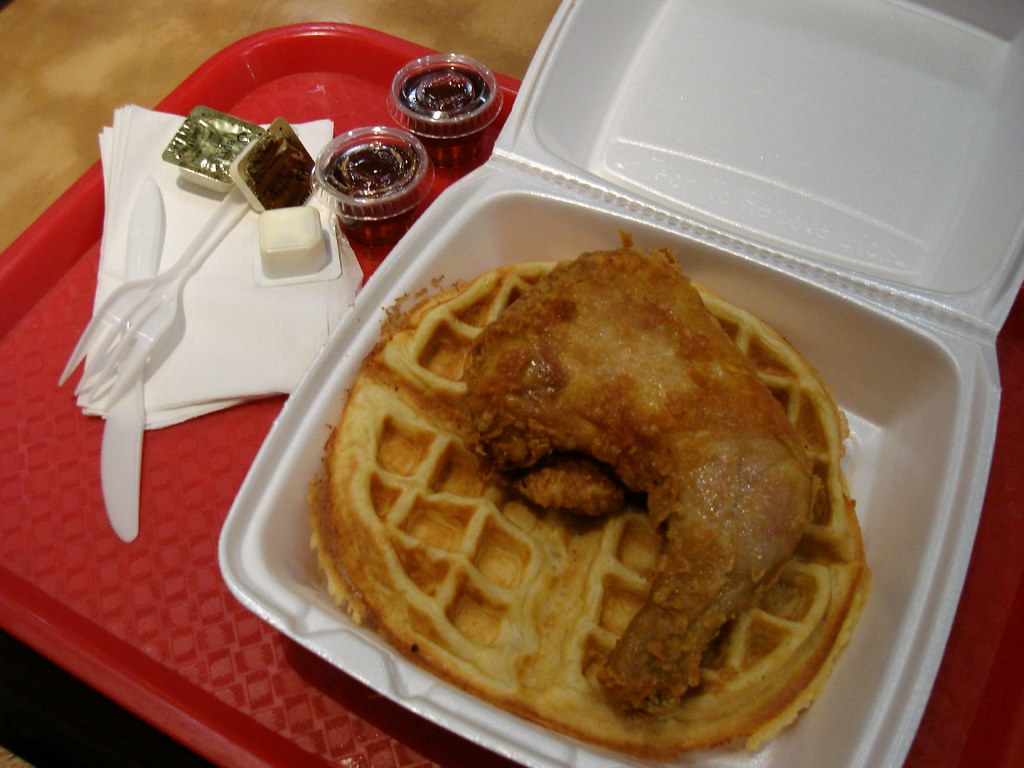
Chapter 3: Floyd’s Chicken and Waffle Shack
Floyd’s Chicken and Waffle Shack sat on the corner of Huntington Avenue and Williamson Road. The brick building had a bright, orange, roof and a giant, tasteless sign out front. When lit up, everything nearby took on a strange, uncanny glow. The name “Floyd’s” was written in red neon letters and “Chicken and Waffle Shack” were drafted in bright white. The letters were sketched in a shaky, zigzag fashion as if the letters had been stricken by lighting.
 The first thing people noticed about the “Waffle Shack” was an advertising ornament perched upon the roof of the building. A giant rubber chicken. It spun on a huge waffle as if it were surfing and stood twenty feet high. It spun on a mechanical apparatus located deep within the heart of “Shack.”
The police station received many calls from the local airport. Inevitably, a passenger from an out of town flight would see the spinning chicken, ( with the phosphorescent sign shining on it), call the police, and report a fire. One time, a rookie firefighter jumped off a truck, unfurled a hose, and screeched, “Kill the blasted thing…oh the humanity,” mistaking it for some demon from Hell.
Before the building became Floyd’s Chicken and Waffle Shack in 1976, it had been known as Roy’s Tire and Audio Credit. You could have bought more than just tires and stereos at Roy’s! The city closed the place in 1975. It had been reported that in one of the back rooms, Roy and a “customer” of his got into an argument. The “customer”, a guy by the name of Rufus Shinkle, ate a car tire for dinner. Roy and his pals did five years in the Virginia State Penitentiary.
Floyd and Roy Moriarty; brothers from Philadelphia, moved to Roanoke in 1969. Before being sent upstate in 1975 Roy ran a less than profitable business out of the tire and audio store.
Floyd Moriarty, bent and determined not to follow in his older brothers footsteps, opened a restaurant. Floyd conjured up the idea of the chicken and waffle concoction from his mother. It had been her favorite recipe.
Floyd killed more people and made more money with the grease served at the “Waffle Shack” than his brother ever did. Besides, Floyd’s business was perfectly legal.

His waitresses wore brown polyester uniforms with yellow and orange stripes zipping down the side. Their hats were supposed to look like waffles but looked more like orange man hole covers. A miniature rubber chicken hung from each name tag. They were duplicates of the one on the roof, except the one on the roof stood upright: The rubber chickens on the name tags hung from their feet like bats.
Huge vats of grease sat in the back room (the same room that Roy Moriarty fed the guy the tire). In the vats, chicken wrapped in waffles were deep fried in animal fat.
Many rats made their home around a big, brown, repugnant smelling dumpster that sat behind the restaurant. When the restaurant closed down at night, one of the cooks took that night’s grease outside and sat it beside the dumpster. The next day, after the grease cooled and thickened, the grease was disposed into the dumpster. During the winter months, the grease became so thick, it came out of the bucket cylindrically, the same size and shape as the five gallon pickle bucket.
 The night before the accident, Dominic Perdue, the night cook at the Shack, had taken grease to the dumpster. Two waitresses helped him unload the awful mess from the vats into two buckets. They immediately ran to the bathroom and vomited.
He had stepped into the night air with a clothes pin stuck on his nose. The smell nauseated him. The only thing that saved him from throwing up was the pin that pinched his nose. He could taste the grease in the air.
He set the buckets down and walked back inside. “Only 30 minutes and I’ll be out of this stinkin’ hole,” he mumbled under his breath.
The buckets Dominic sat beside the dumpster contained the same grease that had found its way to the driveway of the Trimptons. Processed animal fat may stick to the insides of your arteries, but on asphalt, it’s as slick as a crook.
Floyd’s Chicken and Waffle Shack sat on the corner of Huntington Avenue and Williamson Road. The brick building had a bright, orange, roof and a giant, tasteless sign out front. When lit up, everything nearby took on a strange, uncanny glow. The name “Floyd’s” was written in red neon letters and “Chicken and Waffle Shack” were drafted in bright white. The letters were sketched in a shaky, zigzag fashion as if the letters had been stricken by lighting.
 The first thing people noticed about the “Waffle Shack” was an advertising ornament perched upon the roof of the building. A giant rubber chicken. It spun on a huge waffle as if it were surfing and stood twenty feet high. It spun on a mechanical apparatus located deep within the heart of “Shack.”
The police station received many calls from the local airport. Inevitably, a passenger from an out of town flight would see the spinning chicken, ( with the phosphorescent sign shining on it), call the police, and report a fire. One time, a rookie firefighter jumped off a truck, unfurled a hose, and screeched, “Kill the blasted thing…oh the humanity,” mistaking it for some demon from Hell.
Before the building became Floyd’s Chicken and Waffle Shack in 1976, it had been known as Roy’s Tire and Audio Credit. You could have bought more than just tires and stereos at Roy’s! The city closed the place in 1975. It had been reported that in one of the back rooms, Roy and a “customer” of his got into an argument. The “customer”, a guy by the name of Rufus Shinkle, ate a car tire for dinner. Roy and his pals did five years in the Virginia State Penitentiary.
Floyd and Roy Moriarty; brothers from Philadelphia, moved to Roanoke in 1969. Before being sent upstate in 1975 Roy ran a less than profitable business out of the tire and audio store.
Floyd Moriarty, bent and determined not to follow in his older brothers footsteps, opened a restaurant. Floyd conjured up the idea of the chicken and waffle concoction from his mother. It had been her favorite recipe.
Floyd killed more people and made more money with the grease served at the “Waffle Shack” than his brother ever did. Besides, Floyd’s business was perfectly legal.

His waitresses wore brown polyester uniforms with yellow and orange stripes zipping down the side. Their hats were supposed to look like waffles but looked more like orange man hole covers. A miniature rubber chicken hung from each name tag. They were duplicates of the one on the roof, except the one on the roof stood upright: The rubber chickens on the name tags hung from their feet like bats.
Huge vats of grease sat in the back room (the same room that Roy Moriarty fed the guy the tire). In the vats, chicken wrapped in waffles were deep fried in animal fat.
Many rats made their home around a big, brown, repugnant smelling dumpster that sat behind the restaurant. When the restaurant closed down at night, one of the cooks took that night’s grease outside and sat it beside the dumpster. The next day, after the grease cooled and thickened, the grease was disposed into the dumpster. During the winter months, the grease became so thick, it came out of the bucket cylindrically, the same size and shape as the five gallon pickle bucket.
 The night before the accident, Dominic Perdue, the night cook at the Shack, had taken grease to the dumpster. Two waitresses helped him unload the awful mess from the vats into two buckets. They immediately ran to the bathroom and vomited.
He had stepped into the night air with a clothes pin stuck on his nose. The smell nauseated him. The only thing that saved him from throwing up was the pin that pinched his nose. He could taste the grease in the air.
He set the buckets down and walked back inside. “Only 30 minutes and I’ll be out of this stinkin’ hole,” he mumbled under his breath.
The buckets Dominic sat beside the dumpster contained the same grease that had found its way to the driveway of the Trimptons. Processed animal fat may stick to the insides of your arteries, but on asphalt, it’s as slick as a crook.
Sunday, September 9, 2007

Saturday, September 8, 2007
Thursday, September 6, 2007
Red Mask in the Mailbox
Red Mask in the Mail Box
By Chris Griffith
Chapter 2: Monster in the Can
White clouds had been high and far away; the air, had been clear and tasty. Joe looked at the classifieds while Thomas watched cartoons. Scooby Doo’s theme song played as Joe walked to the kitchen. “Come here Tommy,” he said, “I want to show you something.”
Margie peeled potatoes at the breakfast nook.
“Hey Honey, what are you making for dinner?” Joe asked.
“Dad, what are we doing?” Thomas asked and cocked his head.
“We’re having pot roast, with mashed potatoes and lima beans,” Margie said. “What are you up to Joe Trimpton?” she asked.
“Can you go ahead and open the lima beans?” Joe asked. “I want to use the cans for something.”
“All right, but you two had better stay out of trouble,” she said, as she waved the potato carving knife.

Margie grabbed the can opener from the drawer, pulled two cans of lima beans from the cabinet, bit down on the first can, and twirled the spindle. The can rotated and paper peeled along the top. The smell of lima beans filled the room. “Shewwee, I hate the smell of them things,” Joe said. A shiver began at his nose, and traveled through his body.
“Me too,” Thomas said and pinched his nose. Margie opened the other can, poured the contents into a faded green Tupperware bowl and stuck it in the refrigerator. She rinsed both cans and handed them to Joe.
Joe took them and walked down into the basement with Thomas following close behind. He sat the cans on a workbench and dug through some junk boxes on work shelves which held jars of screws, nails, cans of paint, thinners, and an assortment of tools. “I’ve gotta’ clean this stuff up one day, or your mom’s going to put me in the dog house,” Joe said.
“Dad, what are you looking for?” Thomas asked.
“I’ll show you in just a sec…,” Joe said.
“Oh, here it is!” he said, picking up a huge ball of grease stained twine.
“Whatcha’ gonna’ do with that, Dad?” Thomas asked.
“You’ll see Tommy,” Joe said and rubbed the top of his son’s head.
He grabbed the tin cans and asked Thomas if he would carry the twine. Thomas agreed.
Before closing the basement door, Joe yelled upstairs, “Be back in little while Hon’.”
“Make sure you lock the door behind you, and be back in time for lunch,” she said.
They climbed the steps, a gentle breeze blew, and the summer sun felt sweet and friendly on their faces.
 The Huntington mansion sat empty on the corner lot of Princeton Circle and Huntington Avenue. Two football fields of waist high grass and a few trees separated the house from the road. The big house was dilapidated with broken windows and an occasional shutter hanging askew. A big, green, copper roof brought from England, sat on top.
Halfway through the field Joe stopped and looked around, reached for his Old Timer pocket knife and punched two holes in the bottom of both cans.
“What are you doing Dad?” Thomas asked.
Joe grabbed the loose string on the ball of twine and dropped it on the ground where it rolled into high grass. He threaded string into the hole of a can, tied a knot, and handed it to Thomas.
“Tommy, do you see that big tree over there on the corner of the field?” Joe asked.
“Yes sir.”
“Well, what I want you to do is to hold on to the can and walk slowly until you get to that tree, and then stop,” Joe said. “Okay buddy?”
“Yeah Dad, I gotcha’,”
Thomas turned and faced the big willow tree, walked towards it, and looked into the blue sky above. An airplane flew by and Thomas chased its shadow. He looked over his shoulder and saw his dad walking backwards, untwirling the thread. Joe grinned and Thomas smiled back. “Dad, does God make airplane shaped clouds?”
“Thomas, God can make clouds in any shape or size he wants. There are no two the same, just like us. All of us are different, yet in some ways, we’re a lot alike, just like clouds.” Thomas smiled, and walked towards the tree, trampling down the tall grass, making a path.
When he reached the tree he turned and saw his father tying the other end of the string onto the can. “Pull the can tight!” Joe yelled.
“What did you say?” Thomas yelled, thinking he said, “not enough light.”
“Pull the string tight!” Joe yelled louder this time.
“Okay Dad!” Thomas yelled back. He put his ear to the can after pulling the string snug. He remembered when Mrs. Lucado let him listen to the ocean in her giant sea shell. It amazed him.
“Thomas can you hear me?” Joe’s voice came through the lima bean can. It sounded like a bee trapped in a Mason jar.
“Yeah Dad, I can hear you!” Thomas yelled.

“Talk into the can, son.” Joe said.
“Who is this?” Thomas spoke into the can.
“I’m the monster in the can,” his father said, from 100 yards away.
That was the summer before the accident.
They spent several hours having fun in the field of the Huntington Mansion. Joe showed his son how to loop a string around two trees and send a telegraph. Later, they walked back to the house, got a kite from the attic, took the twine , and flew it over Huntington Mansion. This time, instead of sending a message to each other, they wrote a message in the clouds, letting Heaven know everything in Roanoke on that summer day had been just fine.


Wednesday, September 5, 2007
Who Said That?

Who said....?
"I preach there are all kinds of truth, your truth and somebody else's. But behind all of them there is only one truth and that is that there's no truth. "
It was Flannery O'Conner
An important voice in American literature, O'Connor wrote two novels and 31 short stories, as well as a number of reviews and commentaries. She was a Southern writer in the vein of William Faulkner, often writing in a Southern Gothic style and relying heavily on regional settings and -- it is regularly said -- grotesque characters. However, she remarked "anything that comes out of the South is going to be called grotesque by the northern reader, unless it is grotesque, in which case it is going to be called realistic" (Mystery and Manners: Occasional Prose 40). Her texts often take place in the South and revolve around morally flawed characters, while the issue of race looms in the background. One of her trademarks is unsubtle foreshadowing, giving a reader an idea of what will happen far before it happens. Finally, she brands each work with a disturbing and ironic conclusion. (from Wikipedia)
Subscribe to:
Posts (Atom)